Often the first time they need a fence is not something they planned. It comes up in small moments. The gate does not quite close. Your dog keeps finding gaps. A neighbor uses more space than expected. That tends to be when the search begins.
At that stage, most homeowners are not thinking about design blogs. They are looking for something practical. Fence types & materials for installation becomes less of a phrase and more of a real problem to solve.
What Homeowners Often Mean When Searching Fence Types & Materials for Installation
Most property owners are not starting from zero. They already know the reason for the fence. Privacy. A sense of security. Containing kids or pets. In some cases, it is about preventing future misunderstandings.
Fence styles refer to how a fence is built. Picket fencing, panel systems, rail fences, and full privacy fencing all perform differently. Materials describe what the fence is made of. Natural wood, vinyl, aluminum or steel, composite, or chain link each install in their own way.
When it comes to installation, type and material are tied together. A fence style that looks great on paper can become a problem if the material does not suit the property.
Wooden Fencing and Fence Installation: Adaptable Yet Maintenance Is Real
Wood fencing are commonly selected since they look natural. Many neighborhoods already have them. That makes it easier to picture how it will sit around your yard.
From an installation standpoint, wood allows flexibility. Posts can be adjusted. Boards can be trimmed. That flexibility is helpful on uneven ground.
Where Wood Often Makes Sense
- Simple to adjust during installation. Easy access of materials. Works with many architectural styles.
One thing I noticed after helping install a wood fence was how often soil conditions affected the process. Posts that seemed fine on day one needed adjustment after the soil settled.
Things to Watch During Installation
- Posts must be set correctly to prevent shifting. Ground contact protection is essential. Consistent spacing affects long term appearance.
The realistic way to approach it is this. Wood fencing installs smoothly when the site is prepared and expectations are realistic.
Vinyl Fences and Installation: Clean with Low Upkeep
Vinyl fencing are frequently selected by property owners who prefer consistency. From an installation standpoint, vinyl is structured. Panels arrive pre sized. That speeds things up.
https://fenceinstallationfortwayne.com/What usually happens. Installation goes smoothly on level ground. On uneven terrain, additional planning is needed. That is not a flaw. It is part of the system.
Where Vinyl Performs Well During Installation
- No cutting required in many cases. Consistent panel sizes. Even final appearance.
Installation Limitations
- Limited flexibility on uneven ground. Damage often means replacing sections. Cold weather can affect installation.
If your goal is a smooth installation with consistent outcomes, vinyl fencing often makes sense.
Metal Fencing for Fence Installation: Strength with Precision
Metal fences covers aluminum, steel, and wrought iron. Each installs differently. Aluminum fencing is lighter, which makes handling easier. Steel and iron require more planning.
In practice, installing metal fencing demands accuracy. Post alignment needs to be exact. Once installed, the result is clean.

When Metal Fences Is a Good Choice
- Front yard fencing. Pool safety fencing. Spaces where visibility matters.
A common misconception is that metal fencing always costly. Installation cost depends on layout and material choice.
Chain Link Fencing and Fence Installation: Practical and Uncomplicated
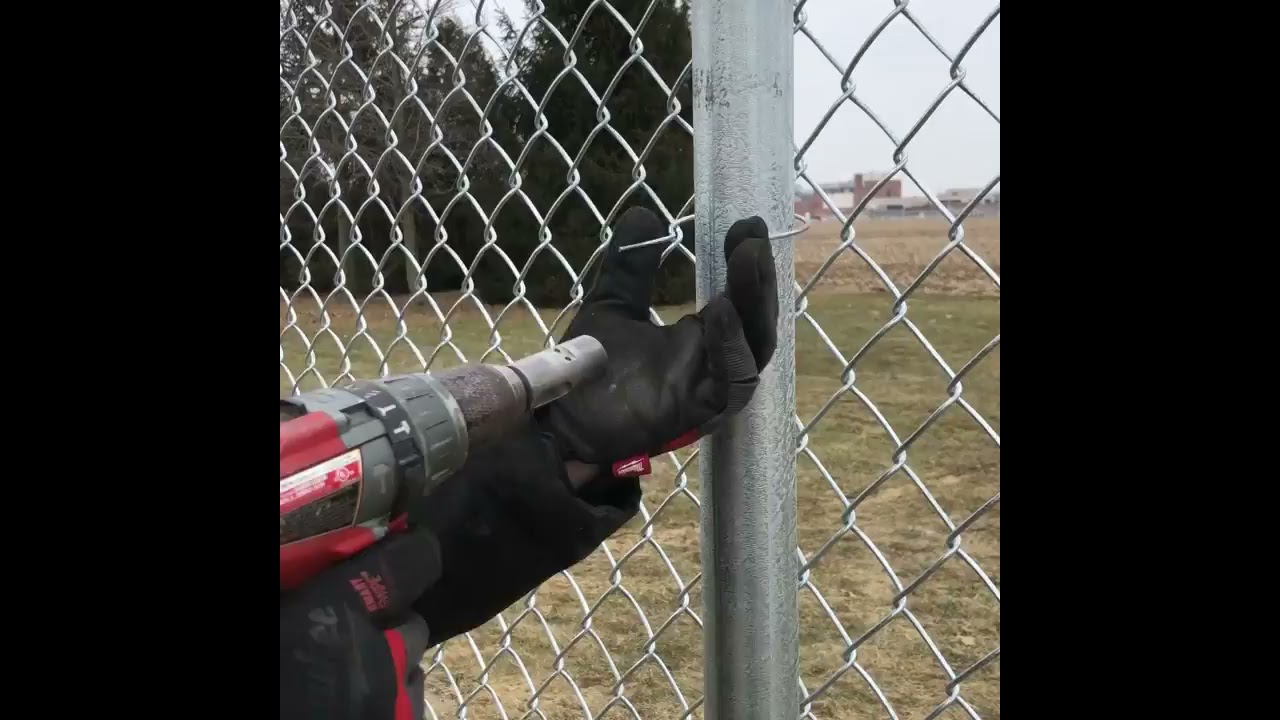
Chain link fencing are still widely used because they install efficiently. Posts are spaced wider. Terrain matters less.
A real example. A property owner needed to enclose a large yard. Chain link made it possible to complete the installation without exceeding budget.
Why Installation Is Easier
- Flexible layout. Reduced labor time. Handles slopes well.
Privacy is minimal. That is expected. For many installations, function matters more.
How to Decide Fence Types & Materials When Planning Installation
One practical approach is to begin with the property. Slope, soil type, and access points all shape the install.
- Flat lots allow more options. Sloped yards require planning. Tight access affects material choice.
Once those installation factors are clear, choosing materials becomes more straightforward.
Conclusion
Choosing fence types and materials for installation is not about chasing a perfect fence. It comes down to matching the fence to the site, the purpose, and installation conditions.
Wood allows adjustment. Vinyl offers predictability. Metal delivers clean results. Chain link offers speed and function.
The next step is to look closely at your property, note slopes and soil, and think about access. That preparation makes the installation process easier.
